
🤖 The AI Language Learning Revolution
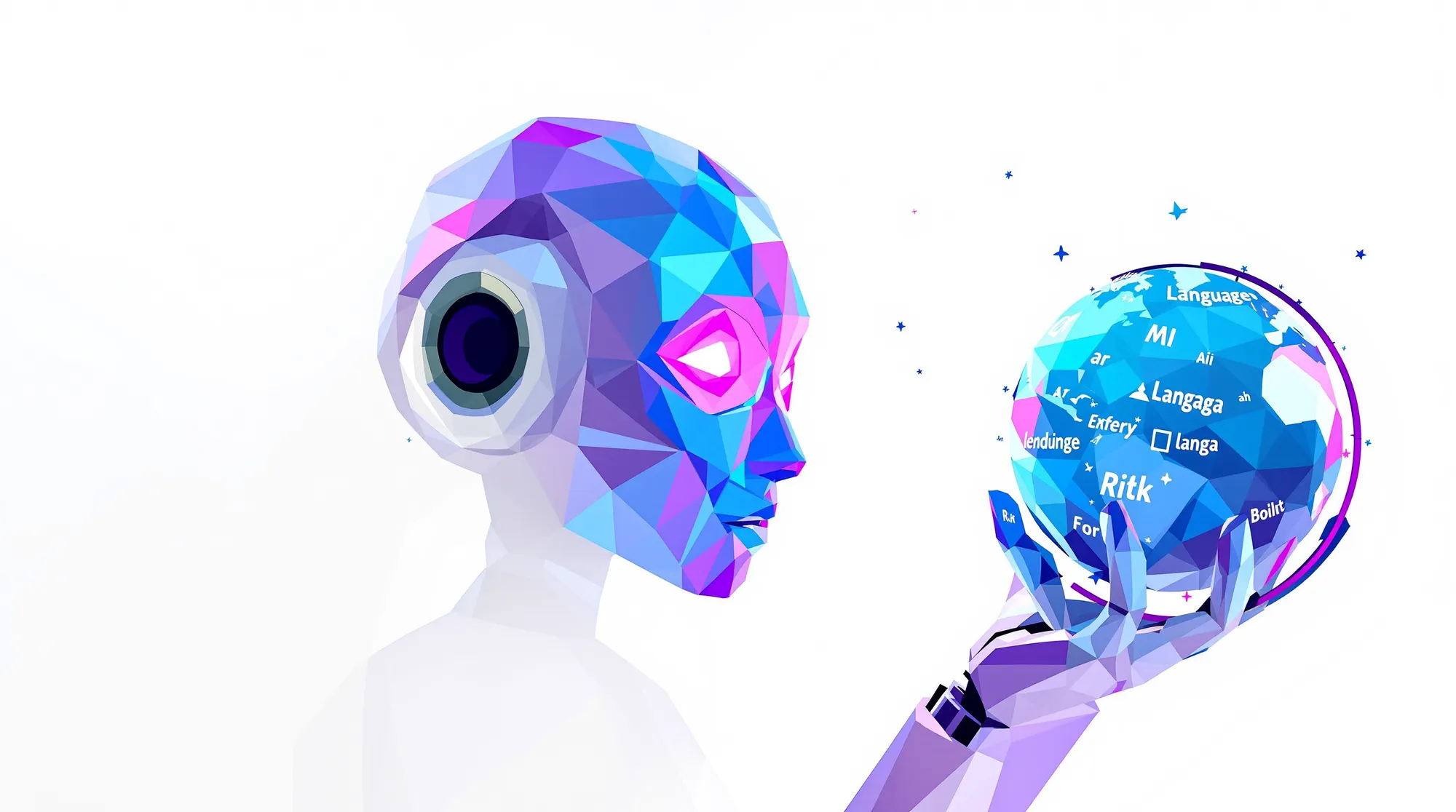
In 2024, most "AI language learning" meant chatbots that could answer grammar questions. In 2026, AI tutors hold full conversations in 9+ languages, adapt to your proficiency level in real time, correct your pronunciation, and cost less per month than a single hour with a human tutor.
The question has shifted. It's no longer "Can AI help with language learning?" — it's "Can AI replace human teachers entirely?" The answer is nuanced, and it matters for the millions of people deciding how to invest their time and money in learning a new language.
This guide breaks down exactly where AI tutoring excels, where it still falls short, and how to use it for maximum results.
📈 How AI Language Learning Works in 2026
Modern AI language tutors are fundamentally different from the language apps of even two years ago. Here's what they actually do:
Real-Time Conversation
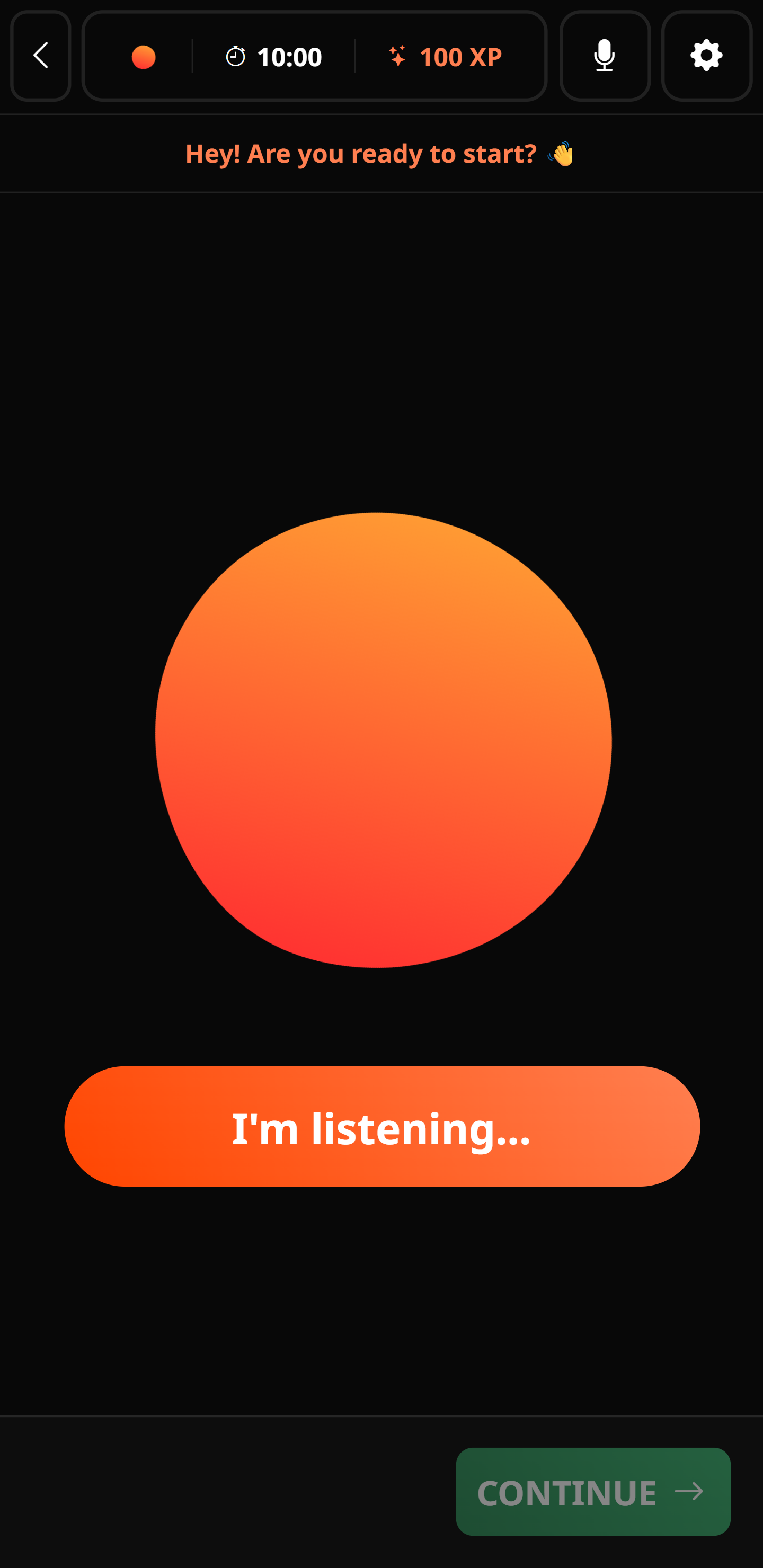
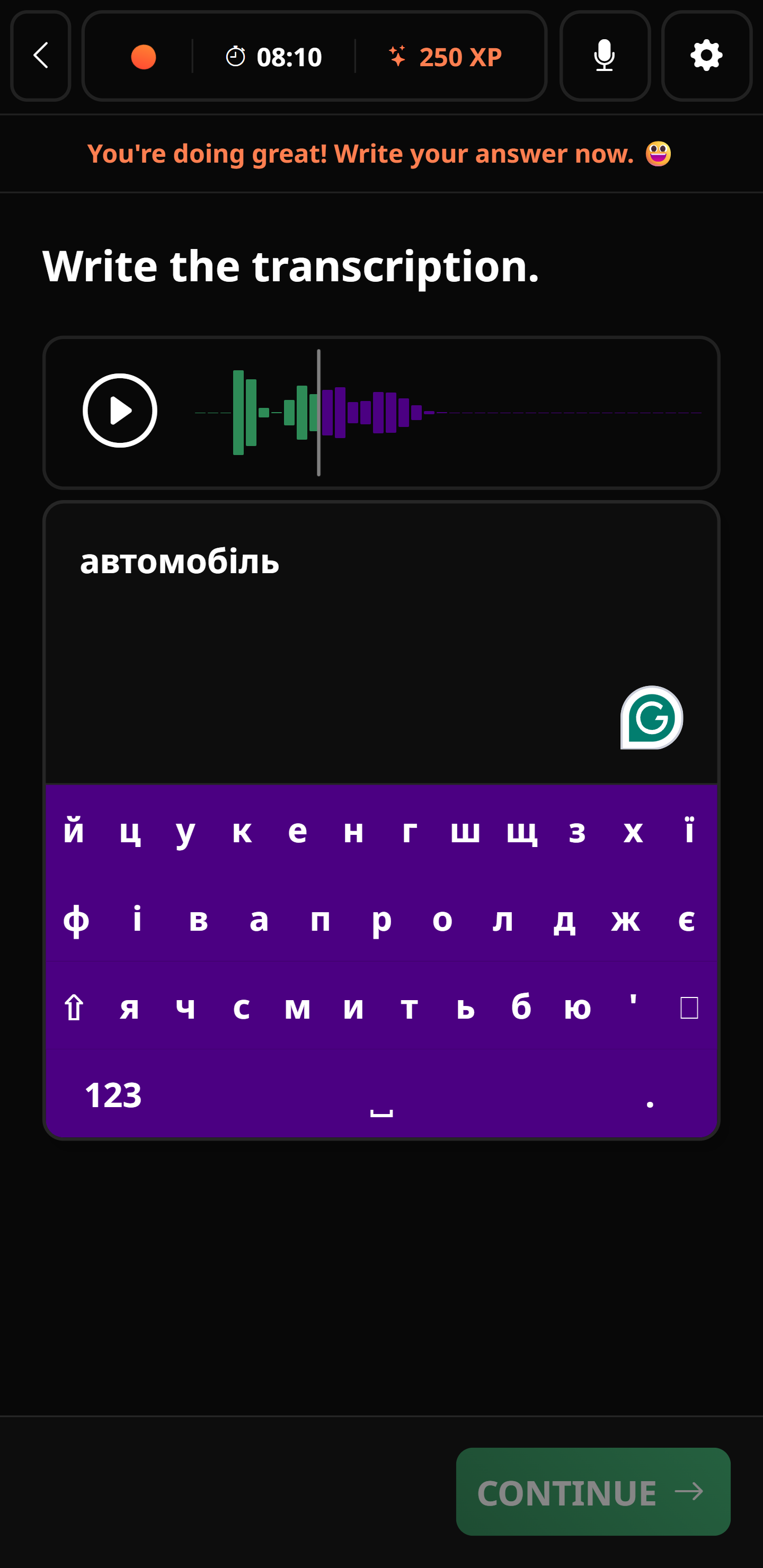
The biggest breakthrough is spoken conversation. AI tutors like Univext's Umi don't just quiz you on vocabulary or make you repeat phrases — they hold genuine back-and-forth conversations, responding to what you actually say rather than following a script.
Adaptive Difficulty
Unlike apps where every user follows the same lesson path, AI tutors adjust in real time. Struggling with past tense? The AI naturally introduces more past-tense practice. Nailing food vocabulary? It moves on to something harder. This personalized approach means you're always working at the edge of your ability — the zone where learning happens fastest.
Instant Error Correction
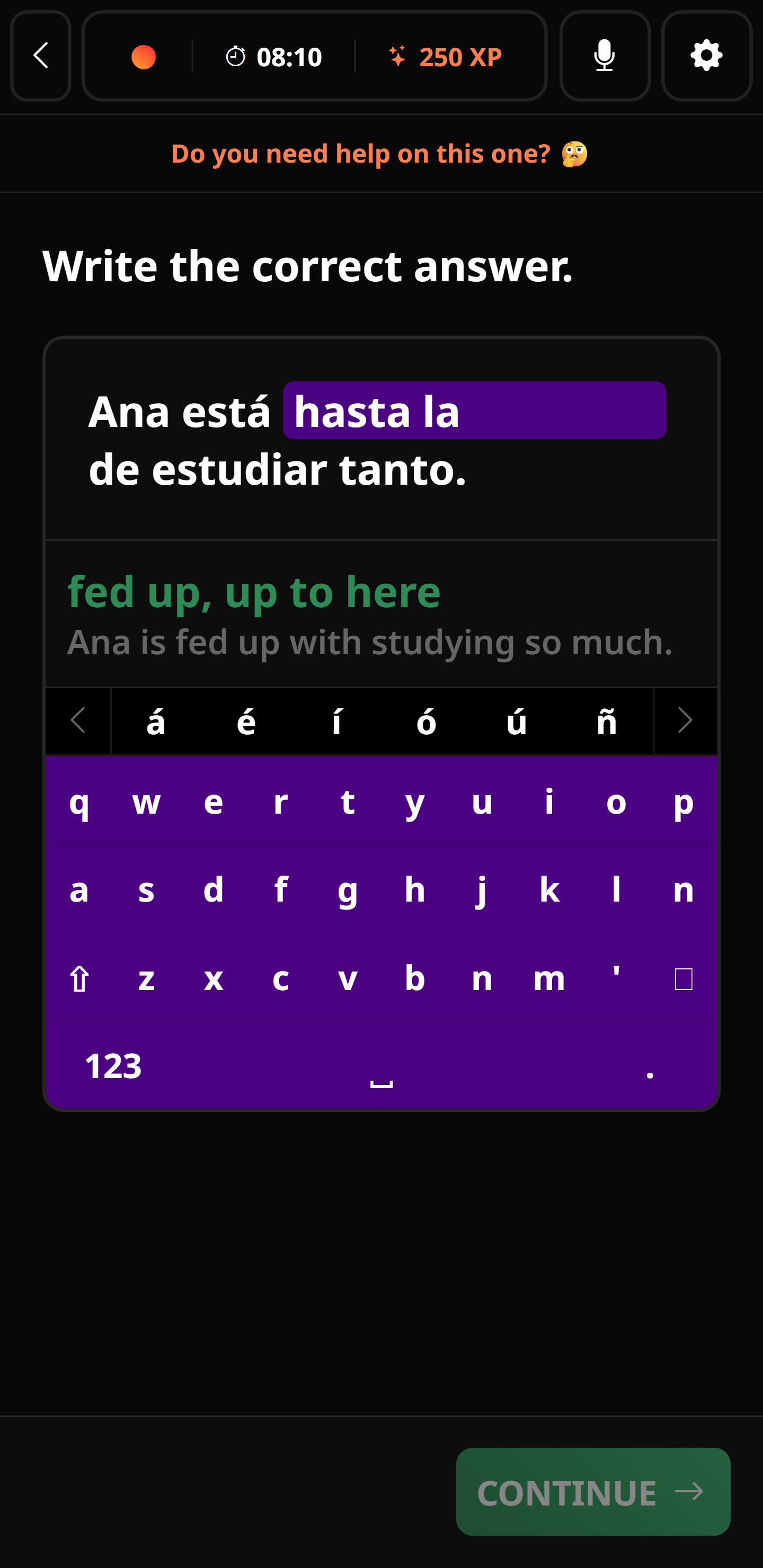
When you make a mistake in conversation, the AI doesn't just flag it red — it explains why it's wrong and how to fix it, in the context of your actual sentence. This is more effective than textbook rules because the correction is immediately relevant to something you were trying to say.
Cost Efficiency
A human tutor costs $25-50 per hour. AI conversation practice costs a few dollars per month for unlimited access. For sheer volume of speaking practice, there's no comparison.
Become bilingual in 30 days with Univext!
Start a lesson with our teacher for free and become bilingual like our 100,000 students!
📊 AI Tutors vs Human Tutors vs Apps: Honest Comparison
The pattern is clear: AI tutors occupy the middle ground — significantly more interactive than apps, nearly as effective as humans for speaking practice, and dramatically cheaper than both.




Join more than 100,000 students learning on Univext
🚀 Where AI Tutoring Excels
1. Volume of Speaking Practice
This is the killer advantage. Most language learners' biggest bottleneck is insufficient speaking practice. In a 60-minute group class, you might speak for 5-10 minutes. With a human tutor, you split the hour between speaking and instruction. With an AI tutor, you can speak for the entire session, every single day.
Speaking is a skill that improves with repetition. More reps = faster progress. AI makes unlimited reps affordable.
2. Zero Judgment, Zero Anxiety
Language anxiety is real and well-documented. Many learners — especially adults — avoid speaking because they're embarrassed about making mistakes. With an AI tutor, that barrier vanishes. You can stumble, mangle pronunciation, use the wrong tense, and the AI simply corrects you and moves on. No awkward silences, no perceived judgment.
3. Consistency and Availability
A human tutor might be available twice a week. An AI tutor is available at 6 AM before work, during your lunch break, or at 11 PM when you can't sleep. Consistency is the single strongest predictor of language learning success, and AI removes every scheduling barrier.
4. Cost Access
Quality human tutoring is a luxury. At $30-50/hour, two sessions per week costs $240-400/month. AI tutoring costs a fraction of that for unlimited access, making effective language learning accessible to anyone with a smartphone.
⚠️ Where AI Still Falls Short
1. Deep Cultural Context
A human tutor from Madrid can tell you that nobody actually says "¿Cómo está usted?" in casual conversation, explain regional slang, share personal stories about cultural norms, and help you understand the social dynamics that language textbooks miss. AI can approximate this, but it's not the same as lived experience.
2. Emotional Connection and Motivation
A good human tutor notices when you're frustrated, adjusts their approach, celebrates your breakthroughs genuinely, and holds you accountable. AI can simulate encouragement, but it doesn't truly understand your emotional state or life circumstances.
3. Complex Error Patterns
AI is excellent at correcting individual errors. Humans are better at identifying patterns — noticing that you consistently confuse ser and estar in certain contexts, or that your intonation sounds like a question when making statements, and developing targeted strategies to fix these habits.
4. Accent and Dialect Nuance
While AI voices have improved dramatically, a human tutor can expose you to authentic regional accents, code-switching, and the messy reality of how people actually talk — including slang, interruptions, and imperfect grammar that native speakers use naturally.
Become bilingual in 30 days with Univext!
Start a lesson with our teacher for free and become bilingual like our 100,000 students!
💡 The Best Approach: AI + Strategic Human Time
The most effective language learners in 2026 aren't choosing between AI and human tutors — they're combining them:
Daily: AI conversation practice (15-30 min/day with Univext)
- High-volume speaking reps
- Vocabulary building in context
- Grammar reinforcement
- Low-pressure mistake-making
Weekly or biweekly: Human tutor session (30-60 min)
- Cultural deep-dives
- Complex grammar explanations
- Pronunciation refinement
- Motivation and accountability
This combination gives you the speaking volume of immersion (via AI) plus the nuance and depth of human teaching — at a total cost far less than daily human tutoring alone.
🌍 AI Language Learning by Language: What's Available
Not all languages are equally well-served by AI tutoring. Here's the current landscape:
Languages with Latin or Cyrillic scripts and large training datasets (English, Spanish, French, German, Russian) are where AI tutoring is strongest. Univext covers 9 languages with native-quality AI voices and adaptive conversation.
Join more than 100,000 students learning on Univext
🔮 Where AI Language Learning Is Heading
The pace of improvement is remarkable. In the next 12-18 months, expect:
- Better pronunciation coaching — real-time feedback on individual sounds, not just word-level accuracy
- Multi-modal learning — AI tutors that share images, videos, and real-world contexts during conversations
- Scenario simulation — practice a job interview, a doctor's visit, or a negotiation with an AI that plays different roles
- Long-term memory — AI tutors that remember what you've learned across sessions and build on it strategically
The gap between AI and human tutoring will continue to narrow, making quality language education accessible to virtually everyone.
Become bilingual in 30 days with Univext!
Start a lesson with our teacher for free and become bilingual like our 100,000 students!
❓ Frequently Asked Questions
Is AI better than Duolingo for learning a language?
For speaking practice, dramatically yes. Duolingo teaches vocabulary and basic grammar through gamified drills but doesn't offer real conversation practice. AI tutors like Univext provide the speaking practice that Duolingo and similar apps completely lack. For detailed comparison: Babbel vs Duolingo vs Univext.
Can ChatGPT replace a language tutor?
General-purpose AI like ChatGPT can help with language questions, but it's not optimized for language tutoring. Purpose-built AI tutors like Univext's Umi are specifically designed for language conversation practice — they adapt to your level, correct errors pedagogically, and structure conversations for learning. The difference is significant.
How much does AI language tutoring cost?
Univext offers a 14-day free trial with 30 minutes per day. After that, plans are available on a quarterly basis with purchasing-power-adjusted pricing (meaning it's more affordable in many countries). Compare this to human tutoring at $25-50/hour.
Which language is best to learn with AI?
AI tutoring is most effective for widely-spoken languages with large training datasets. Spanish, French, German, English, and Russian all have excellent AI tutor support. Less common languages are catching up but aren't as refined yet.
Will AI replace human language teachers?
Not entirely, and likely not soon. AI excels at high-volume speaking practice and is unbeatable on cost and availability. Human teachers remain superior for cultural context, emotional support, and complex pedagogical decisions. The best results come from combining both.
✅ Try AI Language Learning Today
AI tutoring isn't a future technology — it's available right now, and it's already the most cost-effective way to get the speaking practice that drives real fluency.
Start a free 14-day trial with Univext — pick any of 9 languages, meet AI tutor Umi, and experience the difference that real conversation practice makes. Thirty minutes a day is all it takes to see why millions of learners are making the switch.