🇫🇷 Why French Is Worth Learning (And Easier Than You Think)
French is spoken by over 320 million people across five continents. It's the official language of 29 countries, the working language of the EU, NATO, and the United Nations, and the second most studied language in the world after English.
But beyond the practical benefits — career opportunities, travel, diplomacy — French has something most languages lack: cultural pull. French literature, cinema, cuisine, fashion, and philosophy remain enormously influential worldwide. Learning French opens doors to these worlds in a way translations never quite capture.
The great news for English speakers? About 45% of modern English words come from French. Words like restaurant, déjà vu, entrepreneur, and surveillance are just the visible tip. Thousands of everyday English words have French origins, giving you a massive head start in vocabulary.
The US Foreign Service Institute estimates 600-750 hours to reach professional fluency in French — that's a Category I language, among the easiest for English speakers. With modern methods, you can be conversational much faster.
⚡ Realistic Timeline: How Fast Can You Learn French?
These timelines assume 30-60 minutes of daily practice with a focus on speaking. If you're only doing passive study (textbooks, apps without speaking), multiply these numbers by 2-3x.
Important
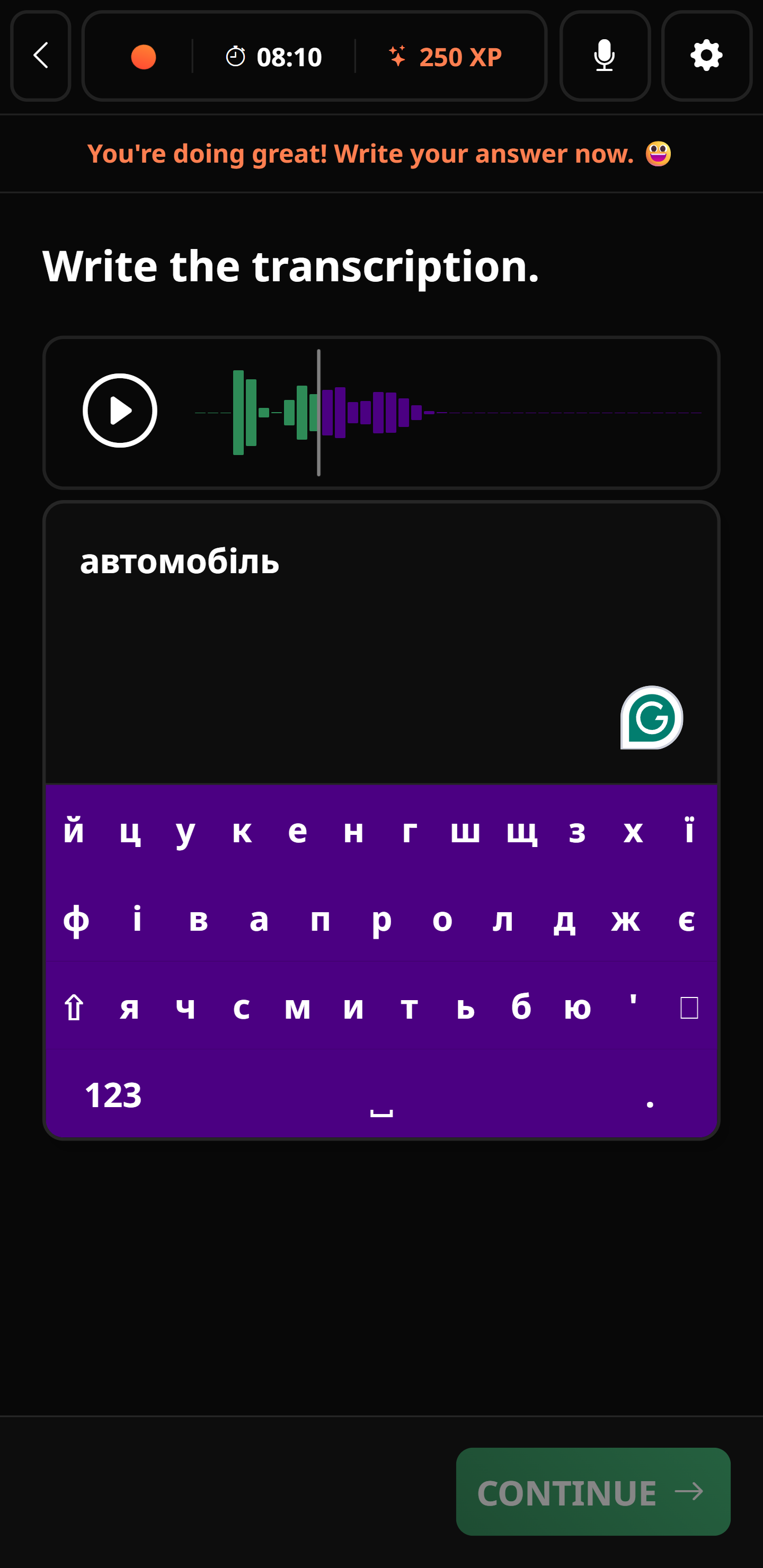
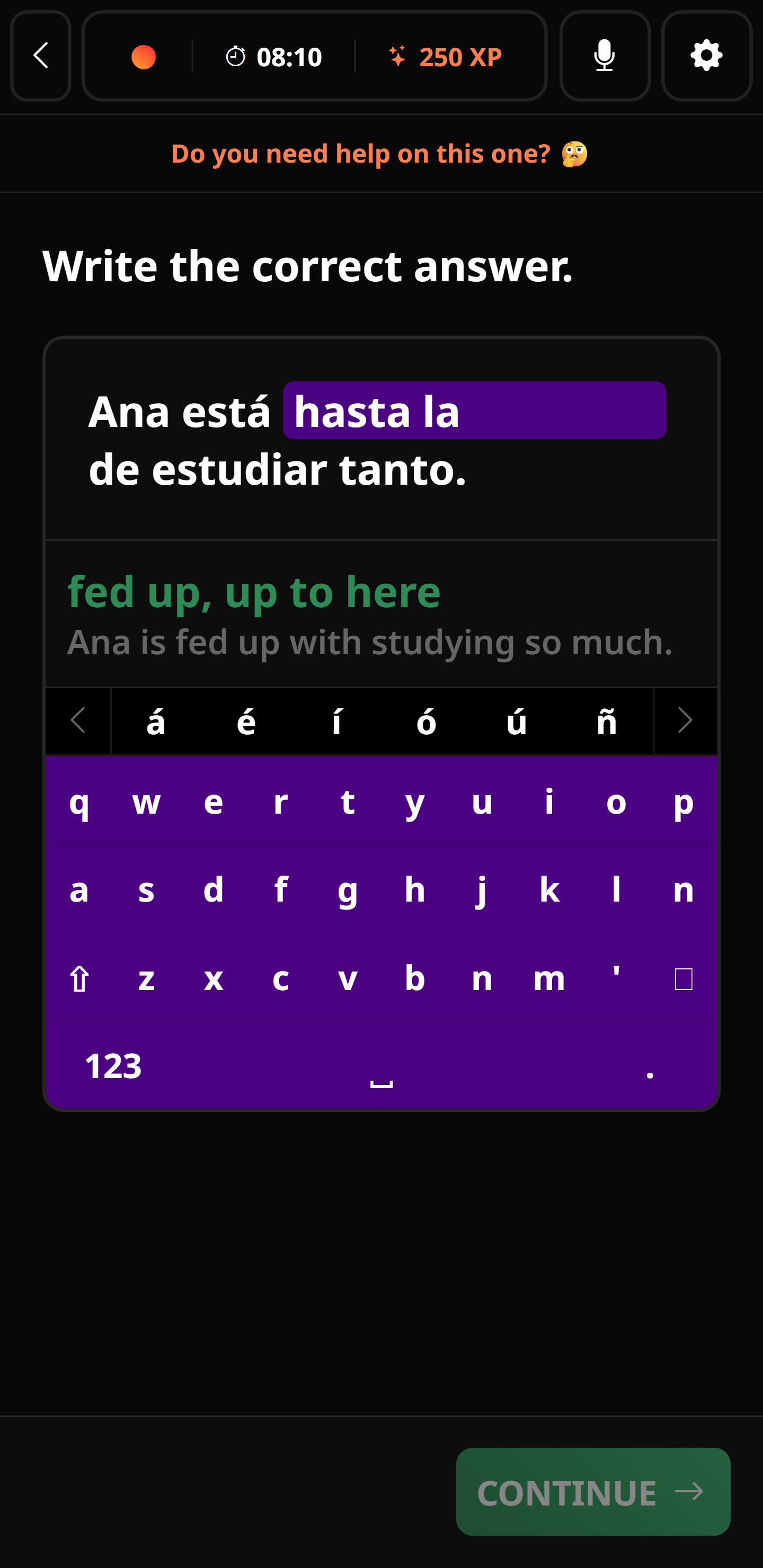
The fastest path to French fluency isn't more study hours — it's more speaking hours. AI tutors like Univext's Umi let you practice real French conversations from day one, even as a complete beginner.
Become bilingual in 30 days with Univext!
Start a lesson with our teacher for free and become bilingual like our 100,000 students!
🎯 Step 1: Nail Pronunciation Early (Week 1)
French pronunciation is the biggest hurdle for English speakers, and the biggest mistake beginners make is ignoring it. If you don't address pronunciation in the first few weeks, you'll develop habits that are extremely hard to fix later.
The Key Sounds to Master
- The French R (guttural, from the back of the throat) — rouge, merci, Paris
- Nasal vowels — bon, vin, dans, un (the sound resonates through your nose)
- The U sound — tu, rue, salut (round your lips like saying "oo" but say "ee")
- Silent letters — most final consonants are silent: Paris = "pa-REE," beaucoup = "bo-KOO"
- Liaisons — connecting words: les amis = "lez-ah-MEE"
Don't try to be perfect. Try to be aware. Listen to French audio, mimic what you hear, and practice with an AI tutor that can correct your pronunciation in real time.
Resources for Pronunciation
- Forvo.com — hear any French word pronounced by native speakers
- Univext — AI tutor Umi models native pronunciation in conversation
- YouTube — Français Authentique and InnerFrench are excellent


Join more than 100,000 students learning on Univext
📝 Step 2: Learn the Building Blocks (Weeks 1-4)
The 100 Most Useful French Words
Don't work through a textbook sequentially. Learn the highest-frequency words first:
Essential verbs: être (to be), avoir (to have), faire (to do/make), aller (to go), pouvoir (can), vouloir (to want), devoir (must), savoir (to know), dire (to say), venir (to come)
Question words: qui (who), quoi/que (what), où (where), quand (when), pourquoi (why), comment (how), combien (how much)
Connectors: et (and), mais (but), parce que (because), donc (so), si (if), quand (when), comme (like/as)
Survival phrases: s'il vous plaît, merci, excusez-moi, je ne comprends pas, parlez plus lentement, comment on dit...?
The Three Essential Grammar Concepts
Don't try to learn all French grammar at once. These three concepts cover most beginner conversations:
- Present tense of common verbs — especially irregular ones (être, avoir, aller, faire)
- Gendered nouns — every noun is masculine or feminine (le/la, un/une). Don't stress about memorizing genders — learn them naturally through exposure
- Basic sentence structure — Subject + Verb + Object, same as English. Je mange une pomme. (I eat an apple.)
🗣️ Step 3: Start Speaking From Day One (Week 2+)
This is the single most important advice in this entire guide: start speaking French as early as possible. Not when you feel ready. Not when you've "finished" a course. Now.
Why Early Speaking Matters
Every day you spend only reading and listening without speaking, you're building a comprehension skill while your production skill falls further behind. The gap gets harder to close the longer you wait. Learners who speak from the first week consistently outperform those who wait months to "prepare."
AI Conversation Practice
Univext's AI tutor Umi is purpose-built for this. Unlike general chatbots, Umi:
- Starts at your exact level — even if you only know bonjour and merci
- Holds real conversations in French, not scripted drills
- Corrects your grammar and vocabulary in context
- Gradually introduces new words and structures as you improve
- Available 24/7 for 30 minutes per day during the free trial
Example
Early conversation with Umi might go: Umi: "Bonjour! Comment tu t'appelles?" You: "Je m'appelle Sarah." Umi: "Enchanté, Sarah! Tu habites où?" You: "Je habite à New York." Umi: "Super! En français, on dit 'j'habite' sans le pronom séparé. Donc: J'habite à New York. Tu aimes New York?" — Natural, adaptive, and educational.
Other Speaking Options
- iTalki — affordable human tutors, great for weekly sessions ($10-30/hour)
- Tandem/HelloTalk — free language exchange apps (quality varies)
- Alliance Française — local conversation groups in many cities
- French meetups — check Meetup.com for conversation practice groups
Become bilingual in 30 days with Univext!
Start a lesson with our teacher for free and become bilingual like our 100,000 students!
🎧 Step 4: Surround Yourself With French (Month 1-6)
Podcasts (by Level)
- Beginner: Coffee Break French, FrenchPod101, Learn French by Podcast
- Intermediate: InnerFrench (highly recommended), Journal en français facile
- Advanced: France Inter, France Culture, any native French podcast
TV and Film
French cinema and television are world-class. Start with:
- Beginner: Extra French (slow, clear speech, comedic)
- Intermediate: Lupin, Dix pour cent (Call My Agent), Plan Cœur
- Advanced: Les Revenants, Le Bureau des Légendes, any French film
Music
French music makes pronunciation practice addictive:
- Classic: Édith Piaf, Jacques Brel, Charles Aznavour
- Modern: Stromae, Angèle, Aya Nakamura, Pomme
- Rap: Nekfeu, Orelsan, Bigflo et Oli
Reading
- Beginner: French children's books, Le Petit Prince
- Intermediate: News in Slow French, French Wikipedia
- Advanced: Le Monde, Libération, French novels
🔄 Step 5: Build a Sustainable Routine (Month 3+)
By month three, shift from "studying French" to "living with French":
Daily routine (30-45 minutes):
- Morning (15 min): Conversation with Univext's Umi — practice a new topic or review weak points
- Commute (15 min): French podcast (InnerFrench is perfect for intermediates)
- Evening (15 min): French show, music, or light reading
Weekly additions:
- One journaling session in French (even 5 sentences)
- One longer listening session (French film or podcast binge)
Join more than 100,000 students learning on Univext
🛠️ Best Tools to Learn French Fast
For comprehensive app comparisons, see: Best Apps to Learn French in 2026.
Become bilingual in 30 days with Univext!
Start a lesson with our teacher for free and become bilingual like our 100,000 students!
❌ Common Mistakes to Avoid
- Perfectionist pronunciation — French pronunciation matters, but don't let it paralyze you. Being understood is more important than sounding Parisian.
- Grammar before speaking — You'll learn gender agreement and subjunctive mood naturally through conversation. Don't memorize tables in isolation.
- Formal French only — Textbooks teach vous but real conversations use tu. Learn both, but practice tu for natural speech.
- Ignoring listening — French spoken at natural speed sounds nothing like classroom audio. Train your ears early with native content.
- Relying on one method — No single app or course will make you fluent. Combine conversation practice, listening, reading, and vocabulary review.
❓ Frequently Asked Questions
How long does it take to learn French?
Conversational French (B1) takes 4-6 months with daily speaking practice. Professional fluency (C1) takes 18-24 months. French is among the easiest languages for English speakers due to massive vocabulary overlap.
What's the fastest way to learn French?
Maximize speaking practice. Use an AI tutor like Univext's Umi for daily conversation practice, supplement with podcasts and reading, and stay consistent. Speaking from day one is the single biggest accelerator.
Is French harder than Spanish?
French pronunciation is trickier than Spanish, and the writing system is more complex. But the grammar is similar in difficulty, and French shares even more vocabulary with English than Spanish does. Overall, they're comparable — both Category I languages for English speakers.
Can I learn French with AI?
Yes — AI tutoring has become one of the most effective approaches for French learners. Univext offers AI conversation practice with native-quality French voice, adapting to your level from absolute beginner to advanced.
Is Duolingo good for learning French?
Duolingo is a solid starting point for vocabulary and basic grammar, but it won't teach you to speak. Most learners plateau at A2 with Duolingo alone. For real progress, combine it with speaking practice — see our Babbel vs Duolingo comparison for details.
✅ Start Your French Journey Today
French opens doors to 29 countries, rich culture, and global career opportunities. With modern AI tutoring, you can start having real French conversations today — not after months of textbook study.
Start your free 14-day trial with Univext — meet AI tutor Umi, have your first French conversation, and see how fast you progress when you actually practice speaking from day one.