
🔍 Duolingo vs Babbel for Italian: The Quick Verdict
Choosing between Duolingo and Babbel for Italian is one of the most common questions new learners face — and for good reason. Both apps are massive, both offer Italian courses, and both promise to get you speaking. But they take very different approaches, and the right choice depends entirely on what you're trying to do with Italian.
The short answer: Duolingo is better if you want a free, low-commitment way to pick up basic Italian vocabulary. Babbel is better if you want structured grammar explanations and real-world phrases. But neither will teach you to actually hold a conversation in Italian — and that matters, because Italian is a language you learn to speak, whether it's ordering a caffè in Naples, chatting at a dinner table in Rome, or navigating life in Milan.
That's where an AI-powered option like Univext changes the equation entirely.
Let's break it all down.
📊 Feature-by-Feature Comparison
Become bilingual in 30 days with Univext!
Start a lesson with our teacher for free and become bilingual like our 100,000 students!
🟢 What Duolingo Does Well for Italian
Duolingo's Italian course is one of its more developed offerings, and the app deserves credit for making Italian accessible to millions who might never have tried otherwise. The gamification — streaks, XP, leaderboards — is genuinely effective at building a daily habit, which matters more than most people think.
Duolingo pros for Italian learners:
- Free tier that covers basic Italian vocabulary and grammar patterns
- Gamification that keeps you coming back — the streak system works
- Bite-sized lessons that fit into a coffee break
- Audio by native speakers for most Italian content
- Stories feature with short Italian narratives at various levels
But the ceiling comes fast. After a few months, most Italian learners on Duolingo report the same frustration: they can translate sentences and match word tiles, but they can't order a meal in Italian without freezing up. The app teaches recognition, not production. You learn to identify "il conto, per favore" when you see it written, but producing it spontaneously when a waiter is waiting? That's a completely different skill — and one Duolingo doesn't train.
Italian also has grammatical complexities that Duolingo barely addresses: verb conjugations across moods (congiuntivo, anyone?), the distinction between passato prossimo and imperfetto, gendered articles that change with context. Duolingo exposes you to these patterns but rarely explains why they work the way they do.
Important
If your goal is to actually speak Italian — not just recognize words — Duolingo alone won't get you there. Read our full analysis: Why Duolingo Doesn't Teach You to Actually Speak.





Join more than 100,000 students learning on Univext
🔵 What Babbel Does Well for Italian
Babbel's Italian course is one of its strongest. The lessons are built around real-world situations — ordering at a ristorante, asking for directions in Florence, making small talk at an aperitivo — and they include proper grammar explanations that Duolingo deliberately avoids.
Babbel pros for Italian learners:
- Structured curriculum designed by linguists with Italian expertise
- Grammar explanations integrated into every lesson — you learn why, not just what
- Real-world scenarios specifically tailored to Italian culture and daily life
- Speech recognition that checks your Italian pronunciation
- Review manager that tracks and reinforces your weak points
For adult learners who want to understand Italian grammar — why it's "sono andato" but "ho mangiato", when to use "ci" vs "ne", how formal vs informal address works — Babbel is significantly better than Duolingo. The lessons feel like a well-structured textbook brought to life, which many learners prefer over Duolingo's game-like drills.
The catch? Babbel's lessons are completely pre-scripted. Every learner gets the same dialogue, the same exercises, the same path through the material. And critically, there's no real conversation practice. You'll learn the phrase "Mi potrebbe consigliare un buon vino?" but you'll never practice using it in a dynamic exchange where someone responds unpredictably — which is exactly what happens in real life.
❌ The Problem Both Share: No Real Italian Conversation Practice
Here's the uncomfortable truth about both apps:
Neither Duolingo nor Babbel will teach you to speak Italian conversationally.
Both offer "speaking exercises" that amount to repeating pre-written Italian phrases into your microphone. The app checks pronunciation and moves on. That's not a conversation — that's a pronunciation drill.
Real Italian conversation requires:
- Understanding spoken Italian at natural speed — not the slow, enunciated audio of a language app
- Formulating responses on the spot without a word bank to choose from
- Handling follow-up questions you didn't prepare for ("E da dove vieni?" after you introduce yourself)
- Making mistakes and recovering — something that only happens in real dialogue
- Thinking in Italian rather than translating from English in your head
This is why so many Duolingo and Babbel users feel "stuck" after months of daily practice. You can complete every Italian lesson and still freeze when a native speaker at a trattoria asks you something simple. The skills these apps build — vocabulary recognition, grammar rules, pronunciation patterns — are necessary but not sufficient. Without real speaking practice under pressure, fluency stays out of reach.
For a deeper look at this problem, read our full comparison of Duolingo and Babbel across all languages.
Become bilingual in 30 days with Univext!
Start a lesson with our teacher for free and become bilingual like our 100,000 students!
🚀 Univext: The AI Alternative That Actually Teaches You to Speak Italian
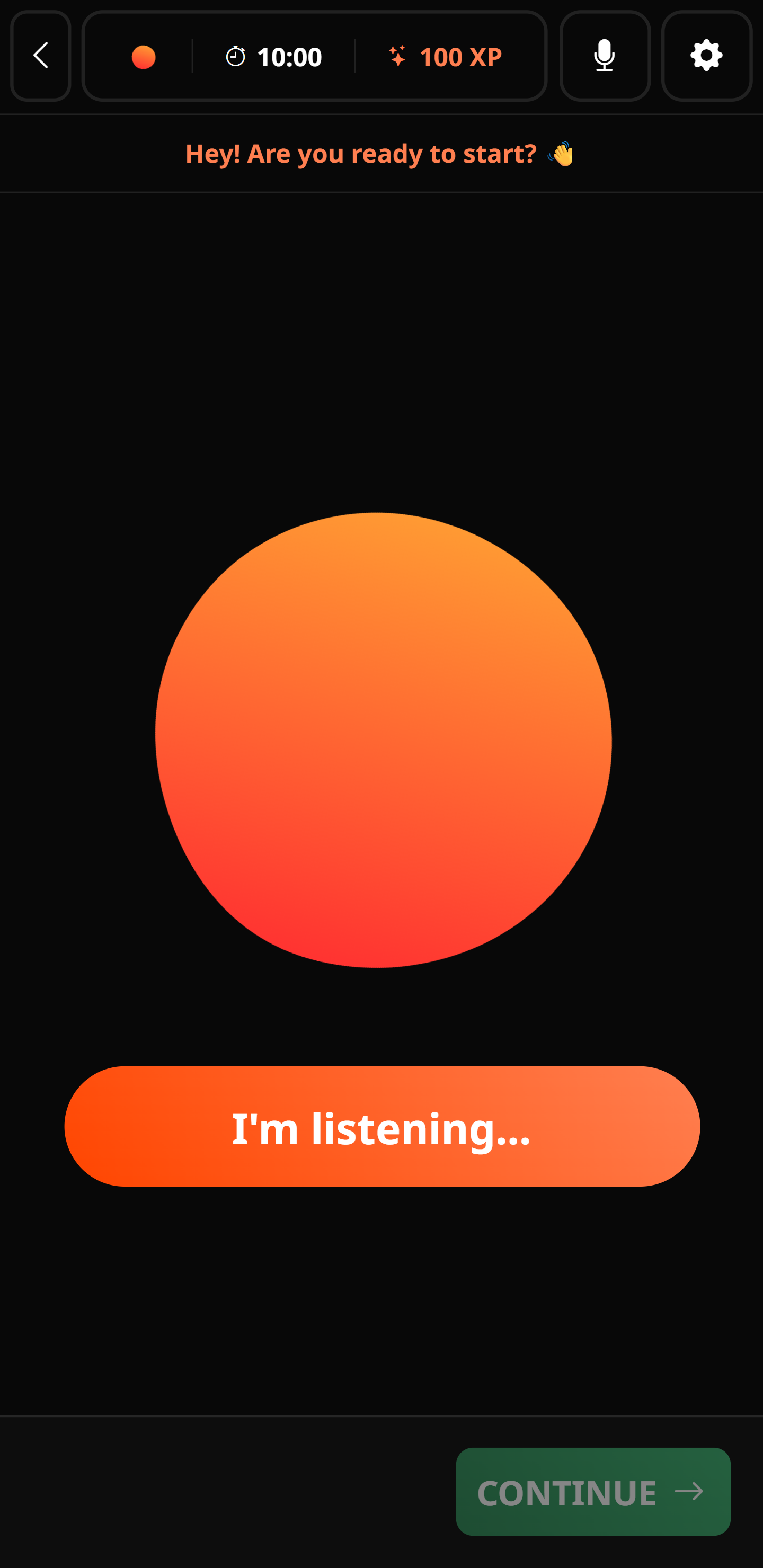
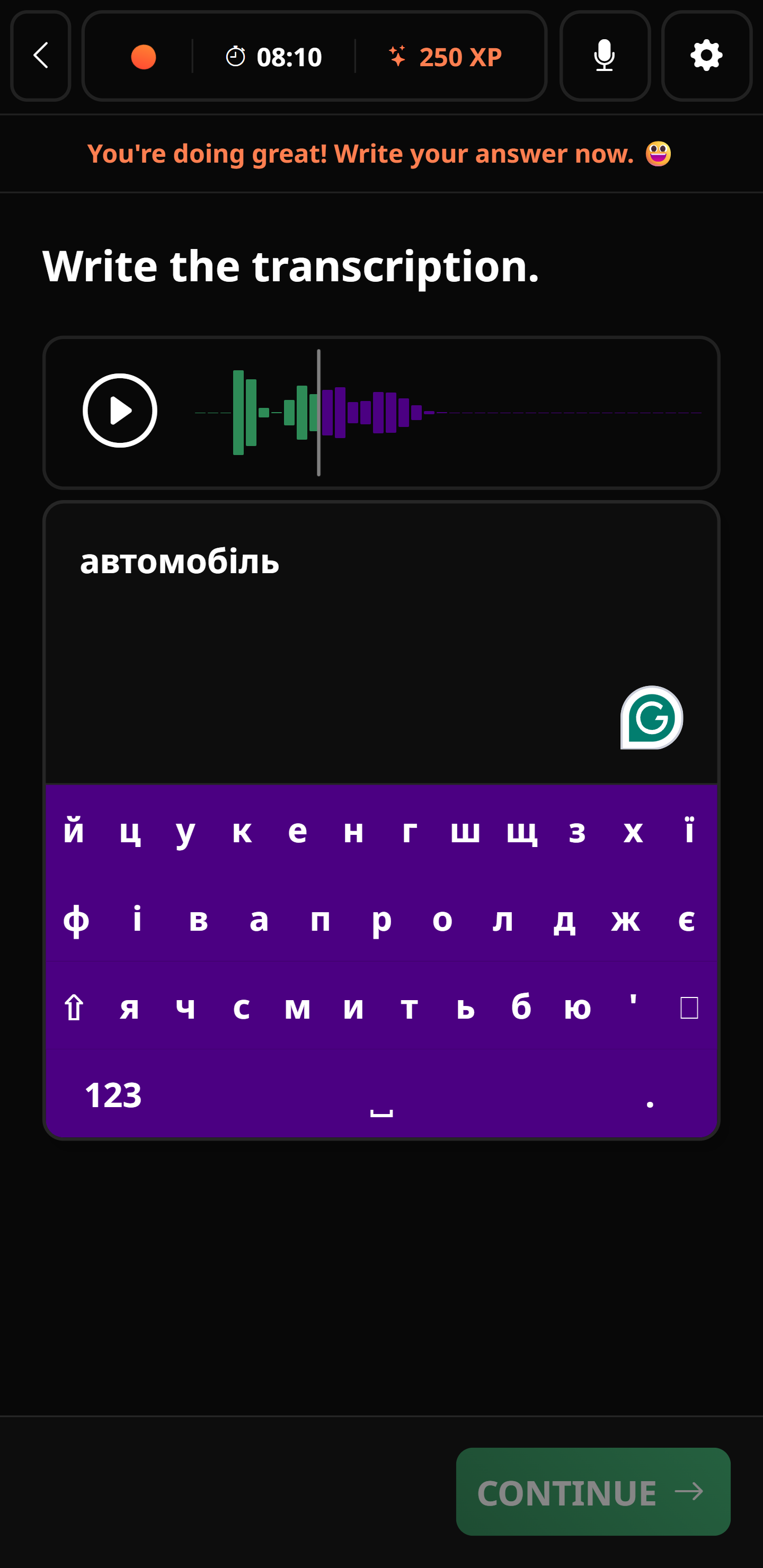
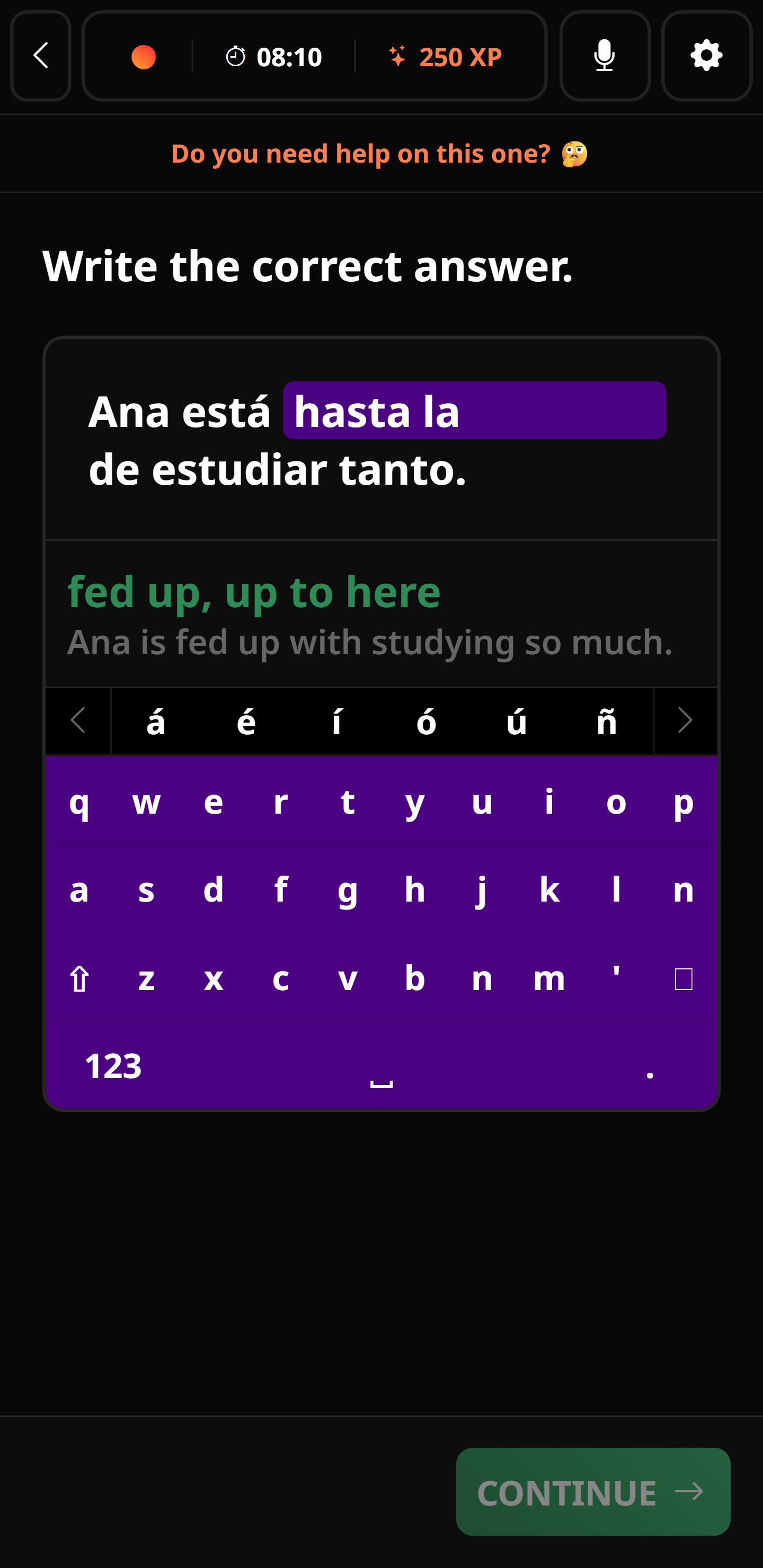
Univext takes a fundamentally different approach. Instead of pre-scripted lessons and gamified drills, Univext pairs you with Umi, an AI Italian tutor that holds real-time conversations with you — by voice or text.
How it works:
- You choose Italian and your current proficiency level
- Umi starts a conversation on a topic matched to your ability — ordering at a bar, discussing weekend plans, debating Italian cinema
- You respond naturally by speaking or typing in Italian
- Umi adapts in real-time: corrects your grammar, introduces new vocabulary, adjusts complexity based on how you're doing
It's the closest thing to having a private Italian tutor available 24/7, without the €30-50/hour price tag.
What makes Univext different from Babbel and Duolingo for Italian:
- Real AI conversations, not repeat-after-me drills — Umi responds to what you say
- Adaptive difficulty — the conversation shapes itself around your actual level
- Instant corrections with explanations in your native language — learn from every mistake as it happens
- Italian-specific grammar coaching — Umi explains congiuntivo, prepositions, and verb tenses in the context of your actual conversation
- 9 languages available: English, French, German, Italian, Polish, Portuguese, Russian, Spanish, and Ukrainian
- 14-day free trial with 30 minutes per day of real conversation practice
Important
Try Univext free for 14 days — start your first AI Italian conversation with Umi and see what real speaking practice feels like.
📈 When to Use Each App for Italian
The best app depends on your goals:
Many successful Italian learners combine approaches: Duolingo for daily vocabulary streaks (free), Babbel for grammar deep-dives (structured), and Univext for actual speaking practice (conversational). Each fills a gap the others leave open.
For a broader look at all Italian learning options, see our full guide: Best Apps to Learn Italian in 2026.
Join more than 100,000 students learning on Univext
💰 Pricing Comparison (2026)
Notes
Pricing varies by country. Univext uses purchasing-power-adjusted pricing, so it's often more affordable than US-priced competitors depending on where you live. All prices shown are approximate US pricing as of early 2026.
Become bilingual in 30 days with Univext!
Start a lesson with our teacher for free and become bilingual like our 100,000 students!
❓ Frequently Asked Questions
Is Babbel better than Duolingo for Italian specifically?
For grammar and structured learning, yes. Babbel's Italian course includes detailed conjugation tables, explanations of formal vs informal Italian, and real-world scenarios set in Italy. Duolingo's Italian course is more repetitive and lighter on explanations. But if speaking is your goal, neither is sufficient — you'll need real conversation practice with something like Univext.
Can I become fluent in Italian with Duolingo alone?
No. Even Duolingo's own data suggests their courses bring learners to roughly A2 level. Italian fluency — holding spontaneous conversations, understanding native speakers, expressing complex ideas — requires extensive speaking practice that Duolingo doesn't provide.
Is Duolingo's Italian course any good?
It's a decent starting point for absolute beginners. The audio quality is good, the basic vocabulary coverage is solid, and the gamification keeps you consistent. But it oversimplifies Italian grammar and offers zero real conversation practice. After 2-3 months, most learners feel stuck.
What's the best alternative to Duolingo for Italian?
For structured grammar, Babbel. For actual speaking ability, Univext. For a comprehensive look at all options, read our best apps to learn Italian guide.
How is Univext different for Italian learners?
Univext uses an AI teacher called Umi that holds real-time Italian conversations with you, adapting to your level as you speak. Unlike Duolingo's tile-matching or Babbel's scripted dialogues, Umi responds to what you actually say — correcting your passato prossimo, suggesting better vocabulary, and gradually increasing complexity. It's the difference between flashcards and a private tutor.
Can I use all three apps together?
Absolutely — and it's a strong combination. Use Duolingo for daily vocabulary habit (free), Babbel for grammar foundations (structured), and Univext for speaking practice (conversational). Together they cover vocabulary, grammar, and production — the three pillars of language learning.
✅ The Bottom Line
Duolingo is a fine starting point for Italian — it's free, it builds habits, and it'll teach you basic words and phrases. Babbel is better for serious learners who want real grammar explanations and structured content set in Italian culture.
But if your reason for learning Italian involves actually using it — speaking with people in Italy, following Italian conversations, expressing yourself in the language — neither app delivers the speaking practice you need.
That's exactly where Univext comes in. Umi adapts to your level, corrects your Italian in real time, and gives you the conversation practice that no amount of word-tile tapping or scripted dialogues can replace.
Start your free 14-day trial and have your first real Italian conversation with Umi today.