
🔍 The Short Answer
Yes, Memrise is a solid vocabulary app — but it depends on what you need. If you want to drill words into your brain with spaced repetition and native speaker videos, Memrise delivers. If you want to actually speak a language — have conversations, understand grammar, get pronunciation feedback — it falls short. I'll explain why.
I tested Memrise across multiple languages, tracked my progress, and compared it honestly against every major alternative. Here's the full breakdown.
📋 What Is Memrise?
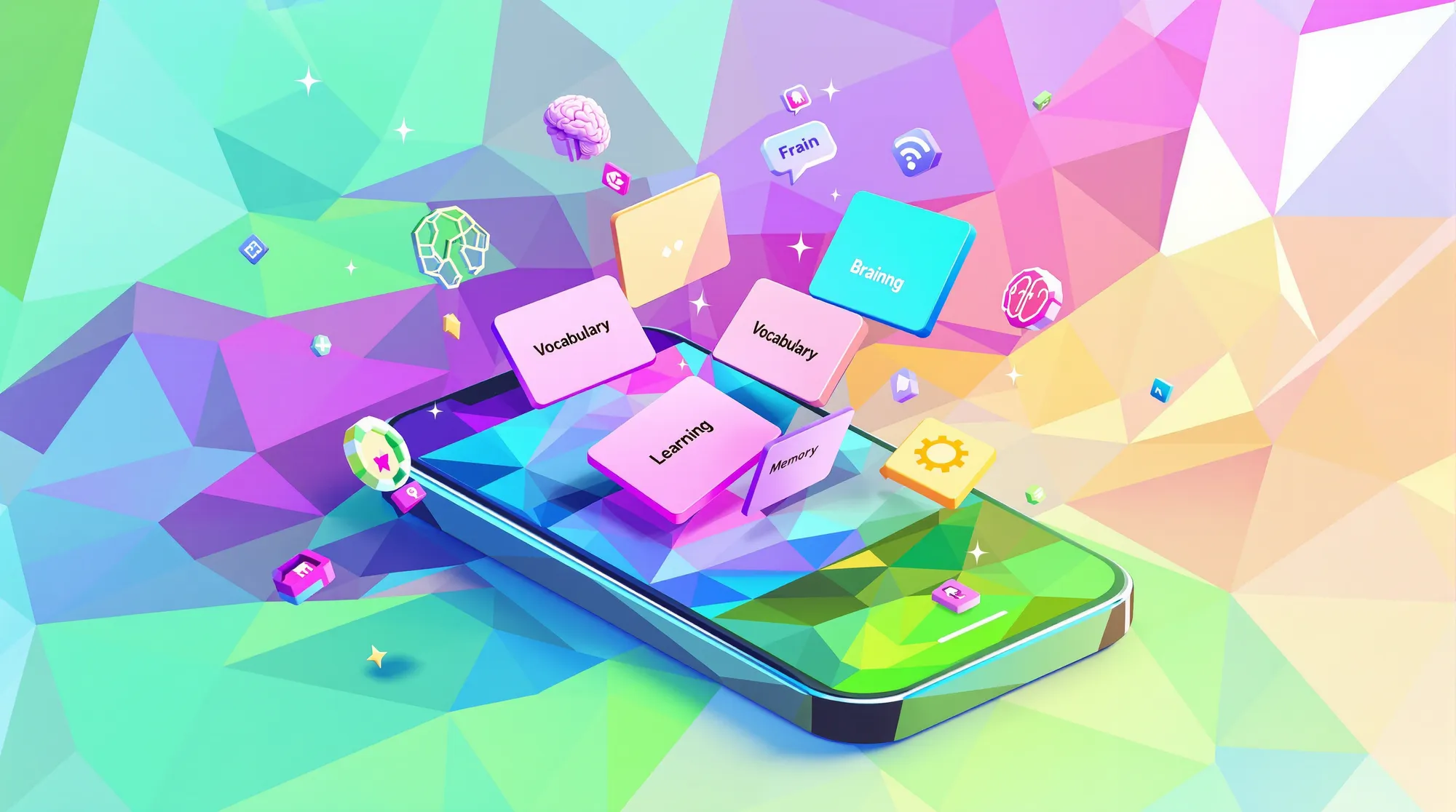
Memrise is a language learning app founded in 2010 that built its reputation on flashcard-based vocabulary learning. The app uses spaced repetition (SRS) — a proven memory technique that shows you words right before you're about to forget them — to help you retain new vocabulary faster.
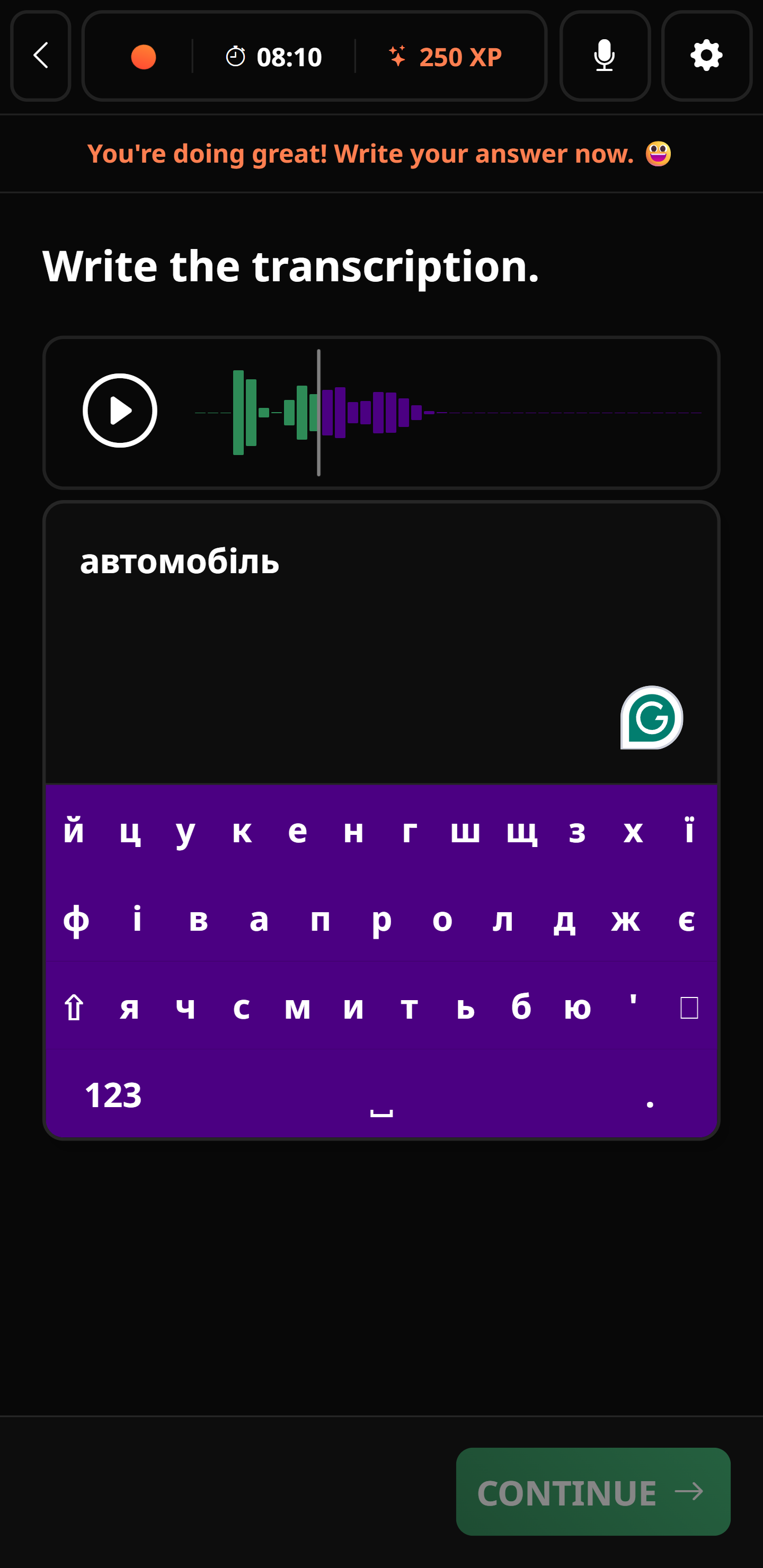
What sets Memrise apart from basic flashcard apps is its video content: thousands of short clips showing native speakers using words and phrases in real-life contexts. You don't just read a word — you see and hear a real person saying it on a street in Madrid or a café in Tokyo.
Memrise also offers an AI chatbot called MemBot that lets you practice text-based conversations. More on that later.
Languages available: Spanish, French, German, Japanese, Korean, Chinese, Italian, Portuguese, Russian, Turkish, Arabic, Dutch, Swedish, Norwegian, Danish, Polish, and more.
Become bilingual in 30 days with Univext!
Start a lesson with our teacher for free and become bilingual like our 100,000 students!
✅ What Memrise Does Well
Memrise earned its 65+ million users for real reasons. Here's what it genuinely does right:
Spaced Repetition That Works
The core SRS algorithm is solid. Memrise tracks which words you know well and which you struggle with, then schedules reviews at optimal intervals. For pure vocabulary retention, this approach is backed by decades of cognitive science research. You will remember more words with Memrise than by studying a textbook.
Native Speaker Videos
This is Memrise's standout feature. Instead of robotic text-to-speech audio, you get real people — filmed in various locations around the world — saying words and phrases naturally. You hear real accents, see facial expressions, and get exposed to how the language actually sounds outside a classroom. For learners tired of synthetic voices, this is genuinely refreshing.
User-Generated Content
Beyond official courses, Memrise hosts thousands of community-created courses covering everything from medical terminology to regional dialects. If you need to learn niche vocabulary — say, Thai cooking terms or German legal jargon — chances are someone has already built a deck for it.
Clean Interface and Short Sessions
The app is well-designed and easy to navigate. Sessions typically run 5-10 minutes, making it effortless to squeeze vocabulary practice into a commute, lunch break, or waiting room. The low time commitment means you'll actually use it consistently.





Join more than 100,000 students learning on Univext
❌ Where Memrise Falls Short
After extended testing, here are the problems that hold Memrise back in 2026:
No Grammar Instruction
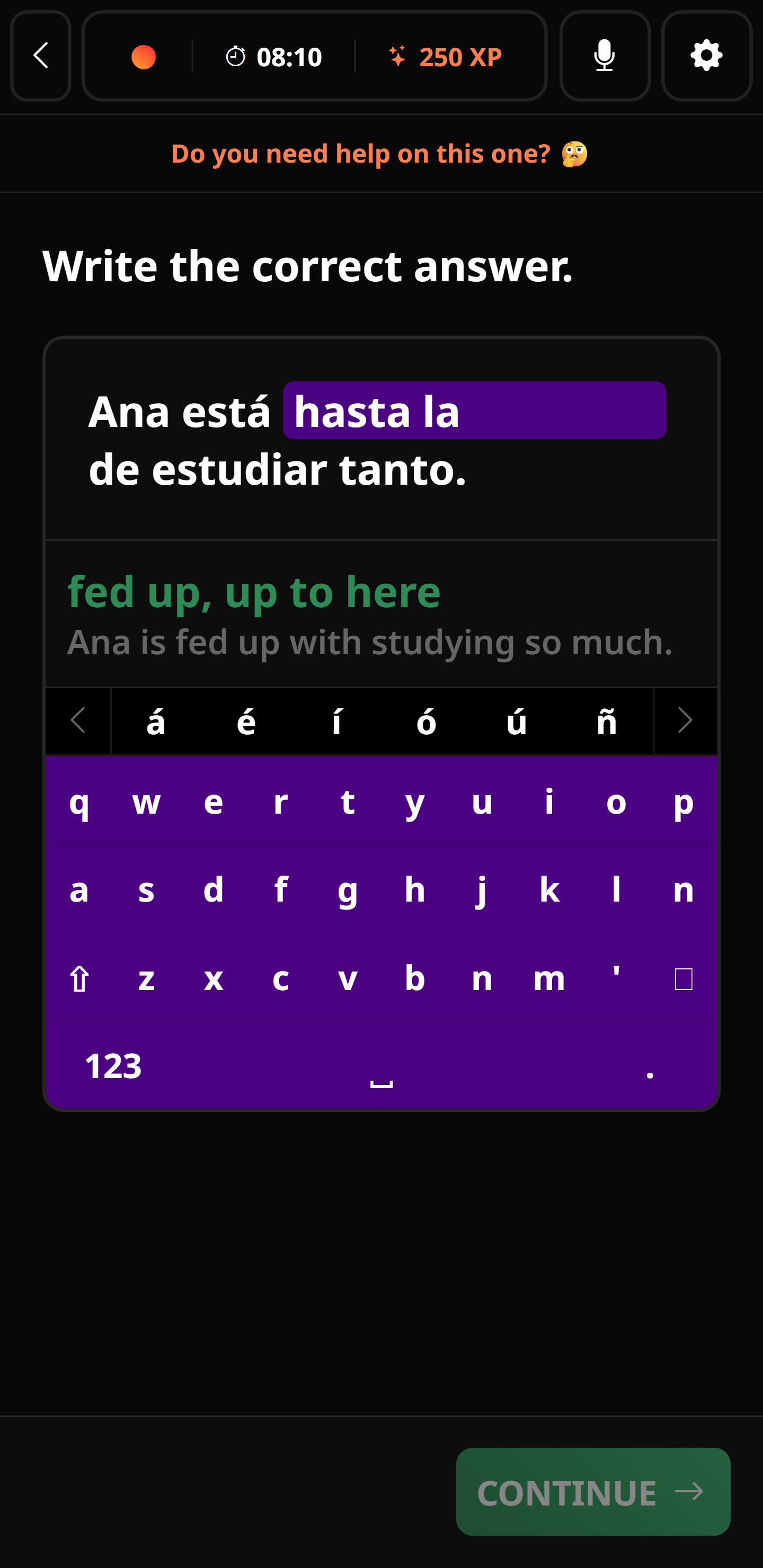
This is a fundamental gap. Memrise teaches you words, but it never explains how to put them together. You might memorize 500 Spanish words and still not know how to form a basic sentence. There are no verb conjugation tables, no explanations of tenses, no sentence structure breakdowns.
You'll know what quiero means, but not why it's different from quieres or queremos. Memrise assumes you'll figure grammar out on your own — and most learners simply don't.
Important
Learning vocabulary without grammar is like memorizing piano keys without learning how to play songs. You need both to speak a language, and Memrise only gives you half.
No Real Speaking Practice
Memrise's MemBot AI chatbot lets you practice conversations — but only through text. You type messages and get text replies. There's no voice input, no pronunciation feedback, no real-time listening comprehension.
In 2026, when AI tutors can hold full voice conversations and correct your pronunciation on the spot, a text-only chatbot feels like yesterday's technology.
Vocabulary Without Context
While the native speaker videos are great, many words are taught in isolation. You learn "the airport," "the suitcase," "the ticket" — but never how to navigate an actual airport conversation. Isolated vocabulary doesn't translate into communication skills without practice using those words in realistic, connected scenarios.
Inconsistent Quality in Community Content
User-created courses are a double-edged sword. Some are excellent — carefully curated by language teachers or dedicated enthusiasts. Others contain errors, awkward translations, or outdated vocabulary. There's no quality control or verification system, so you never quite know if what you're learning is accurate — especially for less common languages.
Misleading Progress Metrics
Memrise tracks how many words you've "learned" and your daily streak, but it doesn't assess your actual language ability. You could show 5,000 words "learned" in your stats and still be unable to hold a basic conversation at a restaurant. The numbers feel encouraging but can paint a false picture of your real progress.
Pricing
Memrise Pro costs approximately $8.49/month or $59.99/year. The free version is severely limited — most features and content are locked behind the paywall. For what is fundamentally a flashcard app with video clips, that's a significant investment.
📊 Memrise vs The Competition
Here's how Memrise stacks up against the most popular alternatives in 2026:
Notes
Memrise and Duolingo solve different pieces of the puzzle — vocabulary retention and gamified exercises respectively — but neither teaches you to actually speak. If your goal is conversation ability, you need a tool designed for that from the ground up.
Become bilingual in 30 days with Univext!
Start a lesson with our teacher for free and become bilingual like our 100,000 students!
🤖 The AI Alternative Worth Considering
Memrise was innovative when flashcard apps were the cutting edge of language learning. In 2026, the bar is higher. AI tutors don't just drill vocabulary — they teach you to speak by actually speaking with you.
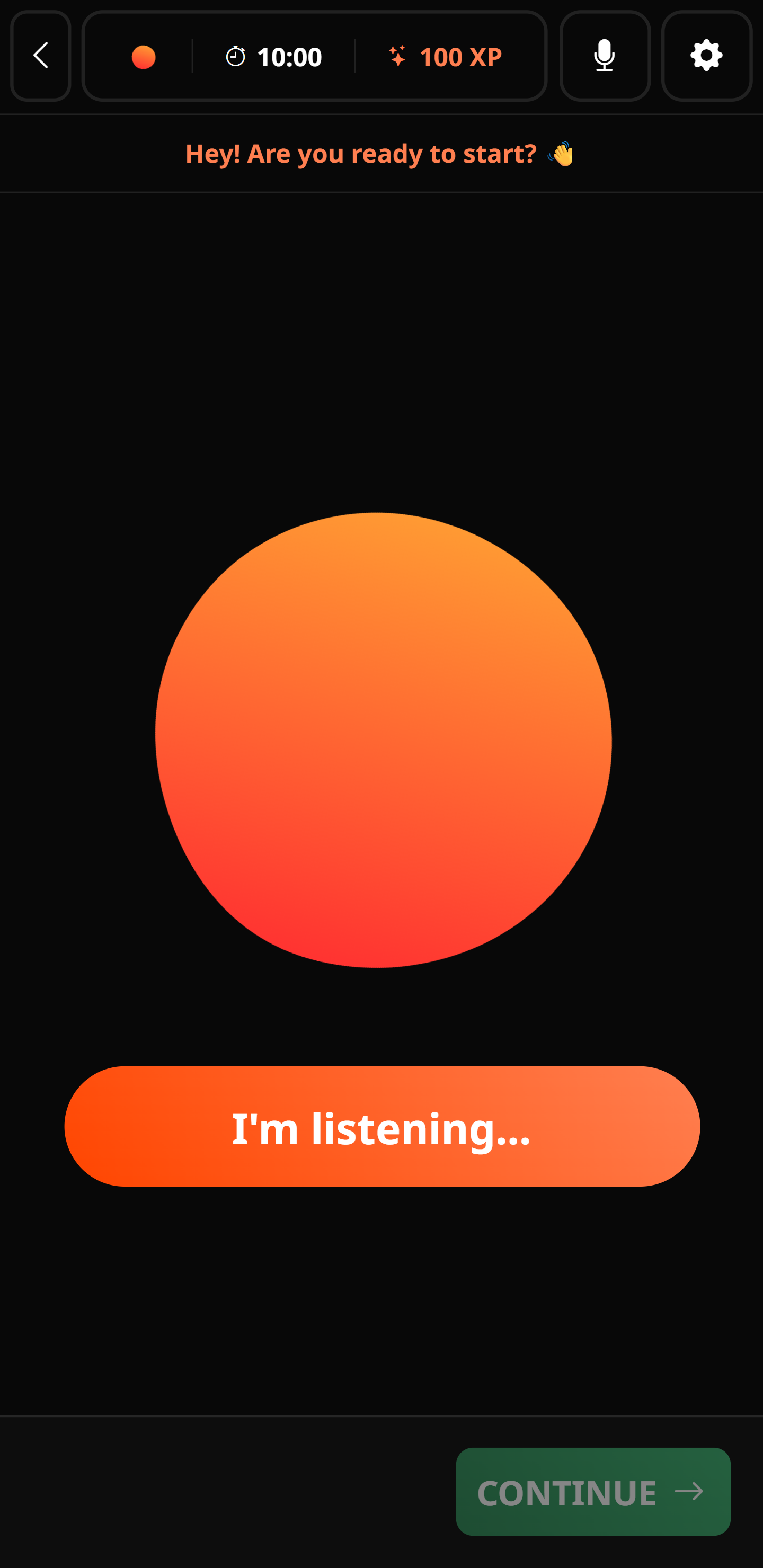
Univext pairs you with Umi, an AI teacher that conducts full voice lessons in French, Spanish, English, German, Russian, Italian, Portuguese, Polish, and Ukrainian. Instead of matching flashcards, you have real conversations — and Umi corrects your grammar, pronunciation, and word choice in real time.
What makes this different from Memrise:
- You learn by speaking, not swiping. Every lesson is a conversation. Umi asks you questions, listens to your answers, and responds naturally — like a private tutor, but available 24/7.
- Grammar is taught in context. No separate grammar module needed. Umi explains rules as they come up in conversation, exactly when they make sense.
- Pronunciation gets real feedback. Not a pass/fail icon. Specific guidance on which sounds you're mispronouncing and how to fix them.
- It adapts to your actual level. Not just which flashcards to show next — but what topics, grammar structures, and vocabulary to introduce based on your real speaking ability.
- 14-day free trial, 30 minutes per day. Enough time to have real conversations and see whether speaking practice makes a difference.
If you've been using Memrise and can recognize 1,000 words on a screen but freeze when someone speaks to you, this is worth trying.
💰 Is Memrise Worth the Money?
It depends on what you're trying to achieve:
Memrise IS worth it if you:
- Want to build raw vocabulary quickly through spaced repetition
- Enjoy seeing native speakers use words in video clips
- Need a tool for short, daily vocabulary review sessions
- Are supplementing other study methods and need a vocab drill
Memrise is NOT worth it if you:
- Want to learn to speak and have conversations
- Need grammar explanations and sentence structure
- Want pronunciation feedback and speaking practice
- Expect to measure meaningful progress beyond word counts
For most language learners in 2026, the honest answer is: Memrise is a useful supplement, but not a complete learning solution. You'll expand your vocabulary — which genuinely matters — but vocabulary alone doesn't equal fluency. Speaking does.
Important
Try Univext's 14-day free trial and have a real conversation with AI teacher Umi. If flashcards aren't getting you to speak, this will.
Join more than 100,000 students learning on Univext
🏆 The Bottom Line
Memrise built its name on making vocabulary stick, and it still does that well. The native speaker videos are genuinely useful, and spaced repetition is a proven technique. But in 2026, knowing individual words isn't enough — you need to use them in sentences, in conversations, in real time.
If you're choosing between Memrise and nothing, get Memrise. If you're choosing between Memrise and an AI tutor that makes you speak from day one, the choice is clear.
Related reads:
- Best Language Learning Apps in 2026 (Tested)
- Best AI Language Tutors in 2026 (Compared & Ranked)
- Best Duolingo Alternatives in 2026 (Tested & Ranked)
- Best Apps to Learn French in 2026 (Tested & Ranked)
- Best Apps to Learn Spanish in 2026 (Tested & Ranked)
- Best Apps to Learn Russian in 2026 (Tested & Ranked)